Best Smart Rings of 2026: 5 Models Tested & Ranked in the U.S.


If you want to better understand your sleep, recovery, stress, and everyday wellness trends, but you do not want to sleep with a smartwatch on your wrist every night, a smart ring can be a lighter and more natural choice. It has no distracting screen, feels less noticeable than a watch, and is easier to wear consistently through sleep, work, workouts, and daily routines.
A good smart ring should quietly record key wellness signals while you almost forget it is there — sleep quality, heart rate, SpO₂ trends, stress changes, activity, and recovery. It does not require constant tapping or screen checking, yet it helps you see how your body changes over time.
To find the models most worth recommending, we tested and compared 28 popular smart rings on the market, then selected the 5 models that stood out most. We focused on sleep tracking, wellness monitoring, comfort, app experience, battery life, subscription fees, and long-term cost. Instead of judging by specs alone, we looked at whether each ring felt useful, easy to live with, and worth wearing long term.
During testing, one thing became clear quickly: the best smart ring for most people is not necessarily the most expensive one. One model stood out because it combines 24/7 wellness tracking, sleep analysis, SpO₂ trends, heart rate, HRV, stress monitoring, 168 sports modes, gesture controls, and about 7 days of battery life — without requiring a monthly subscription, and at a much lower price than many premium competitors.
For most people who want to wear a smart ring long term, it makes more sense to choose a model with richer features, easier daily use, no hidden monthly fees, and lower long-term cost than to pay extra for a well-known brand name. That is why feature completeness, no-subscription access, and overall value played such an important role in this comparison.
4 Reasons to Choose a Smart Ring Over a Smartwatch
Finger-based tracking can capture cleaner wellness signals
Because the finger has strong blood-flow signals, less hair interference, and easier skin contact, it can be a useful location for continuous wellness tracking. Compared with the wrist, a smart ring can stay especially stable during sleep and rest, which helps with heart rate, SpO₂ trends, HRV, and nighttime wellness data.
It is more comfortable to wear while sleeping
Many people buy wearables mainly for sleep and recovery insights. A smartwatch can feel bulky at night because of the case, strap, and wrist pressure. A smart ring is smaller, more discreet, and closer to wearing a normal ring, making it easier to keep on all night.
No screen means fewer distractions
Smartwatches are useful, but they can also bring messages, notifications, apps, and screen time to your wrist. A smart ring has no screen, so it works more like a quiet wellness tracker in the background instead of another device constantly asking for your attention.
Gesture controls can be practical for small daily actions
Some smart rings go beyond wellness tracking with gesture controls for music, camera shutter, short-video scrolling, e-book page turning, and simple phone interactions. Compared with tapping a watch screen, ring gestures can feel more subtle and convenient for quick actions on the go.
We Rated Each Ring Across 7 Key Criteria
- Wellness tracking accuracy
- Sleep tracking and interpretation
- Battery life and charging
- App experience and syncing
- Comfort and everyday usability
- Smart features and gesture controls
- Overall value
Best Smart Rings of 2026 — Tested and Ranked
Using these criteria, the differences between models became clear quickly. SofiRing S10 rose to the top because it covers the most important everyday wellness features, includes useful gesture controls, and keeps the total cost much lower than many premium smart rings.
EVOFIEL Ring One is a strong premium no-subscription alternative, while Oura, Ultrahuman, and RingConn are better suited to shoppers who specifically want those ecosystems or advanced data layers.
Quick Comparison
| Rank | Smart Ring | Best For | Key Strengths | Price | Action |
|---|---|---|---|---|---|
| 1st place | SofiRing S10 | Best overall value | No subscription, 24/7 wellness tracking, sleep insights, gesture controls, 168 sports modes, and about 7 days of battery life. | $119 | Check Today’s Offer |
| 2nd place | EVOFIEL Ring One | Premium no-subscription pick | Ceramic build, vibration reminders, gesture controls, SOS shortcut, and a privacy-focused app experience. | $279 | Check Price |
| 3rd place | Oura Ring 5 | Oura ecosystem and sleep analysis | Mature app ecosystem and strong sleep insights, but the full experience requires a paid membership. | $399 | Check Price |
| 4th place | Ultrahuman Ring PRO | Advanced data users | Strong hardware and long battery claims, but expensive and more complex for everyday users. | $479 | Check Price |
| 5th place | RingConn Gen 3 | Health trend tracking | No subscription and long battery claims, but newer features and BP-related claims need caution. | $349 | Check Price |
SofiRing S10
$119- Best for
- Best overall value
- Strengths
- No subscription, 24/7 wellness tracking, sleep insights, gesture controls, 168 sports modes, and about 7 days of battery life.
EVOFIEL Ring One
$279- Best for
- Premium no-subscription pick
- Strengths
- Ceramic build, vibration reminders, gesture controls, SOS shortcut, and a privacy-focused app experience.
Oura Ring 5
$399- Best for
- Oura ecosystem and sleep analysis
- Strengths
- Mature app ecosystem and strong sleep insights, but the full experience requires a paid membership.
Ultrahuman Ring PRO
$479- Best for
- Advanced data users
- Strengths
- Strong hardware and long battery claims, but expensive and more complex for everyday users.
RingConn Gen 3
From $349- Best for
- Health trend tracking
- Strengths
- No subscription and long battery claims, but newer features and BP-related claims need caution.
How We Tested the Smart Rings
To avoid relying only on manufacturer claims, we evaluated each ring in everyday scenarios. Each model was worn for at least 7 consecutive days across work, commuting, walking, light workouts, handwashing, showers, and overnight sleep. Stronger models were tested longer to observe battery behavior, app stability, and comfort over repeated use.
1. Sleep and overnight wear
We checked whether each ring felt bulky, shifted during sleep, or affected comfort, then reviewed whether the app consistently generated sleep duration, sleep stages, nighttime heart rate, HRV, and SpO₂ trend data over multiple nights.
2. Wellness data comparison
For heart rate, SpO₂ trends, and recovery patterns, we cross-checked results against common wearables and a fingertip pulse oximeter in resting, walking, light-exercise, and post-sleep scenarios. The goal was trend usefulness, not medical diagnosis.
3. Daily activity and comfort
We wore each ring while typing, commuting, doing chores, holding a phone, carrying bags, and doing light workouts to see whether it got in the way and whether activity, step, stress, and workout data synced properly.
4. App and smart features
We tested pairing and syncing with both iPhone and Android phones. For rings with gesture controls, we tried music switching, camera control, short-video scrolling, and page turning to see whether the features felt useful or gimmicky.
5. Battery and charging
We judged battery life under normal use instead of only citing the longest advertised number. If a ring needed lower tracking frequency, disabled alerts, or restricted features to approach its maximum claim, we factored that into the score.
6. Long-term cost
We checked whether core insights required a subscription, which features were locked behind paid membership, and whether the ring still felt complete without recurring fees. No-subscription access was an important part of the final ranking.
What to Look for in a Smart Ring
No monthly subscription
Permanent access to core features matters. Avoid paywalls that charge you again just to see your own wellness data. A no-subscription smart ring usually offers better long-term value.
Advanced sensors for everyday trends
Look for heart rate, SpO₂ trends, HRV, temperature trends, motion tracking, and sleep data so you can understand broader changes over time rather than relying on one-off numbers.
Comfortable long-term wear
A smart ring only works well if you actually keep wearing it. Smooth edges, good sizing, low weight, and a comfortable inner surface matter more than many shoppers expect.
iPhone and Android compatibility
Make sure the ring supports your phone and can sync with services like Apple Health or Google Health Connect if you already use them.
Useful smart controls
Gesture controls, camera shortcuts, music controls, and scrolling gestures can be helpful when they work reliably and do not feel like gimmicks.
What to Avoid
Core features locked behind subscriptions
Avoid models where the most important wellness insights or deeper analysis only become available after paying for an ongoing membership.
Battery claims with too many conditions
Maximum battery claims can depend on restricted settings. Check whether normal tracking, alerts, workouts, and syncing reduce real-world battery life.
Weak sleep tracking or outdated sensors
If sleep tracking is shallow or sensors are inconsistent, the ring can quickly feel less useful than expected.
Poor water resistance for daily life
For workouts, rain, handwashing, showers, and travel, a ring should be durable enough for normal daily use.
Unstable app syncing
A weak app can ruin an otherwise decent device. Look for clear reports, reliable syncing, and easy-to-understand data.

Pros
- All key wellness and smart features are included with no monthly subscription
- 24/7 tracking for heart rate, HRV, SpO₂ trends, stress, steps, and calories
- Detailed sleep insights, including sleep duration, efficiency, awake time, light sleep, deep sleep, and nighttime heart rate
- 168 sports modes for daily activity and workout tracking
- Gesture controls for TikTok, music, camera, e-books, and simple phone interactions
- 5ATM water resistance for showers, rain, and swimming
- About 7 days of battery life for continuous wellness tracking
- Lightweight design at about 0.12 oz, comfortable for overnight wear
- Syncs with Apple Health and Google Health Connect
- Women’s wellness tracking included without an extra fee
- $119 price makes it one of the strongest value picks in the U.S.
Cons
- Available only through the official website
- There are counterfeit products on the market. You can only place your order on the official website; products sold on other platforms are counterfeit.
- No blood glucose measurement
Review
SofiRing S10 stands out because it focuses on the features most people actually want from a smart ring: comfortable daily wear, sleep and wellness tracking, practical smart controls, and no subscription fees. At $119, it delivers a lower long-term cost than many premium competitors.
It tracks key wellness signals such as SpO₂ trends, heart rate, HRV, stress, steps, distance, and calories. It also provides detailed sleep insights, including duration, efficiency, awake time, light and deep sleep, nighttime heart rate, surface temperature trends, and sleep continuity. Apple Health and Google Health Connect support make the data easier to manage.
Beyond basic tracking, SofiRing S10 adds gesture controls for everyday phone interactions, including scrolling short videos, controlling music, taking photos, reading e-books, and simple game actions. Its 5ATM water resistance also makes it practical for showers, rain, and swimming.
Because the core features are available without a monthly subscription or paid unlocks, SofiRing S10 feels like the most practical choice for users who want a full-featured smart ring without paying a premium brand price.


Pros
- Sleek ceramic exterior with a 316L stainless steel inner ring
- All-day wellness tracking, including heart rate, SpO₂ trends, sleep, and more
- 5ATM water resistance for showers, swimming, and rain
- Vibration reminders for wellness prompts and selected alerts
- Gesture controls for easier phone and app interaction
- 4–6 days of battery life, with extended standby time
- Tracks steps, workouts, and menstrual cycle trends
- SOS shortcut can work with a paired phone to share location with preset contacts
- Compatible with iOS, Android, and HarmonyOS devices
- AI-assisted wellness summaries for easier trend review
- Available in 8 sizes with a sizing kit
Cons
- More expensive than the #1 pick
- Available only online
- No blood glucose measurement
Review
Summary: EVOFIEL Ring One is the strongest premium no-subscription option in this comparison, and it is one of the models we found easiest to keep wearing. It does what smart rings do best — comfortable 24/7 wear and consistent sleep and recovery tracking — while also addressing several of the typical weaknesses in this product category.
For comfort, it uses a ceramic outer layer and a 316L stainless steel inner ring. The ceramic feels smooth and skin-friendly, and it stays comfortable even when you sweat or come into contact with water, without feeling clammy or uncomfortable. The stainless steel inner surface adds stability. The edges and contact areas are neatly finished, so the ring does not start to irritate during longer wear — an important point if you actually plan to wear it all day.
For wellness tracking, it covers heart rate, HRV, blood oxygen trends, temperature trends, and sleep tracking. The focus is clearly on longer-term changes, not just individual readings that look good on screen. The built-in mood feature is especially interesting for users who want to connect sleep, stress, and recovery with how everyday life actually feels.
Just as important is the way it feels to use. Vibration prompts, silent alarms, and status alerts give feedback without forcing you to keep reaching for your phone. The ‘Magic Touch’ gestures — scrolling, changing tracks, controlling short videos, and triggering the camera shutter — are not just gimmicks, but features you can genuinely use in daily life.
The safety feature also deserves attention. With a quick gesture and when used with your phone, you can start the SOS contact shortcut or share your location with preset contacts. On evening walks, runs, commutes, solo travel, or simply as extra reassurance for loved ones, it is a useful support feature, even though it should not be treated as a replacement for emergency services.
The privacy setup is also reassuring: data is processed and stored locally, permissions and syncing can be managed transparently, and the data is removed when the app is deleted. This helps reduce concerns about sensitive wellness information remaining on a platform unnecessarily. When this is combined with the no-subscription model and support for Apple Health and Google Health Connect, the overall package feels like a more flexible and cost-effective premium product for long-term use.

Pros
- Latest Oura model with strong brand recognition in the U.S.
- Smaller, lighter design than prior generations
- Strong sleep, recovery, and HRV analysis
- Mature and polished app experience
- About 6–9 days of battery life depending on use
- Water resistance up to 328 ft, plus an IP68 rating
- Titanium build with multiple finishes
Cons
- Full app experience requires an Oura membership
- Membership adds $5.99/month or $69.99/year to long-term cost
- Premium finishes cost more than the base model
- Charging case is sold separately
- Overall cost can become high compared with no-subscription alternatives
Review
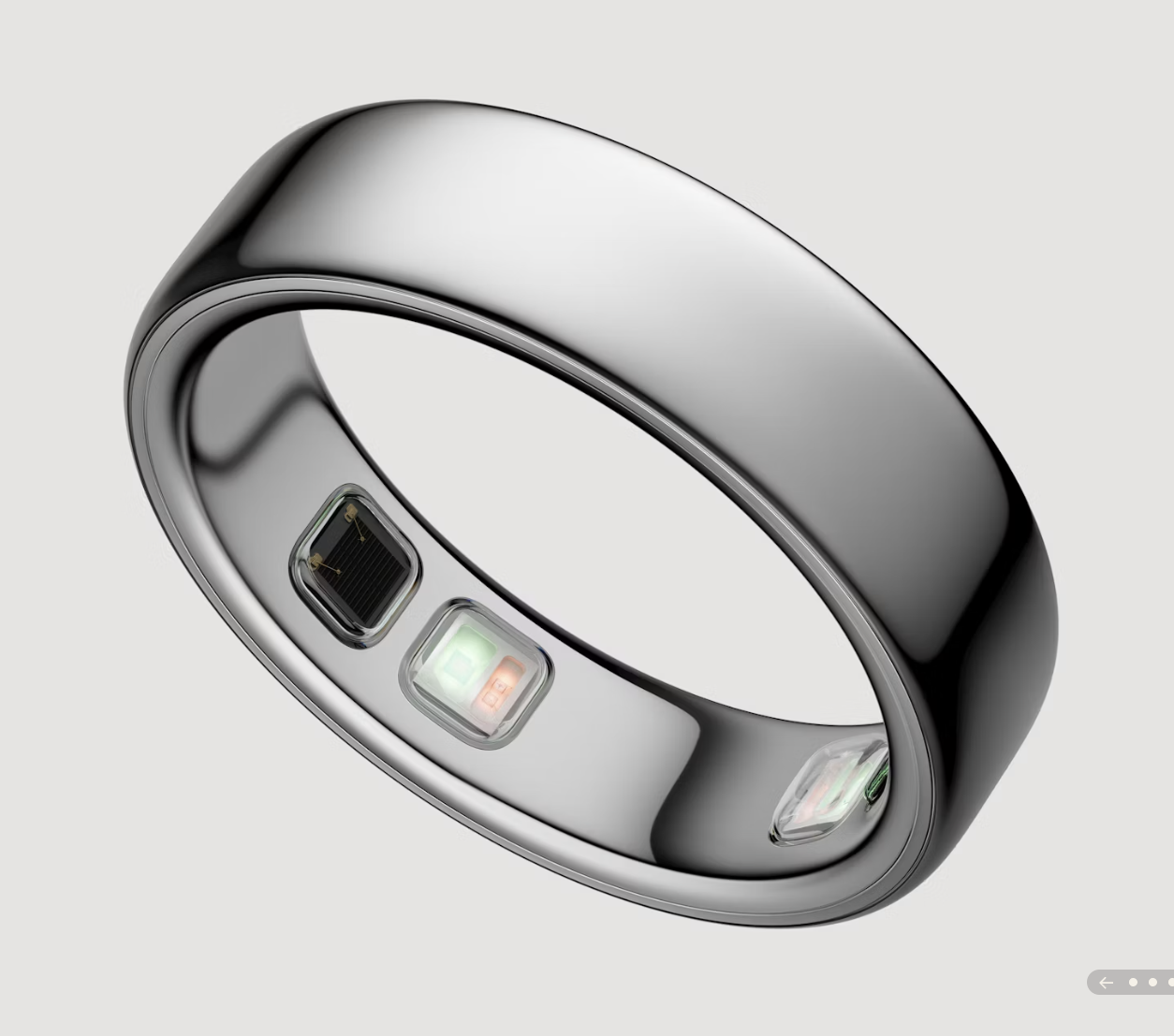
Oura Ring 5 is one of the most notable premium new models in this comparison. In the U.S., Oura is already well known, and this model is particularly suited to users who value a mature app ecosystem, sleep analysis, and recovery tracking.
Compared with the previous generation, the biggest improvement in Ring 5 is comfort. The design is smaller and lighter, the appearance is closer to a normal ring, and it is better suited to long-term wear during sleep, work, and day-to-day movement. With a smart ring, comfort is crucial because the device is meant to be worn almost around the clock.
In terms of data, Oura Ring 5 continues Oura’s familiar strength. It tracks sleep, heart rate, HRV, activity, and temperature trends, among other metrics, and the app turns that information into easy-to-understand insights about recovery and changes in daily condition. For users focused on sleep quality and long-term wellness trends, the experience is mature and clear.
The limitations are still worth noting. Oura Ring 5 sits firmly in the premium price range, and the full app experience still requires an Oura membership, which increases long-term ownership costs. It is also a new model, so longer-term user experience will only build up over time.
Overall, Oura Ring 5 is best suited to users who want a recognized brand, a polished app, and deeper sleep and recovery insights. If long-term cost matters, the membership fee is something to consider before buying.

Pros
- Strong technical hardware
- Premium materials and finish
- Good fit for users who want deeper wellness data
- Core wellness insights without a mandatory subscription
- Battery can last a long time in lighter-use modes
Cons
- Clearly expensive compared with many smart rings
- Long battery life does not apply equally in all usage modes
- Longer battery claims may require lower-power settings, which can change tracking frequency and daily experience
- Feature set may feel complex for first-time smart ring buyers
- Many advanced data layers are not essential for everyday users
- Newer model, so long-term user feedback is still limited
- Not the strongest value if you mainly want sleep, heart rate, and basic wellness trends
Review
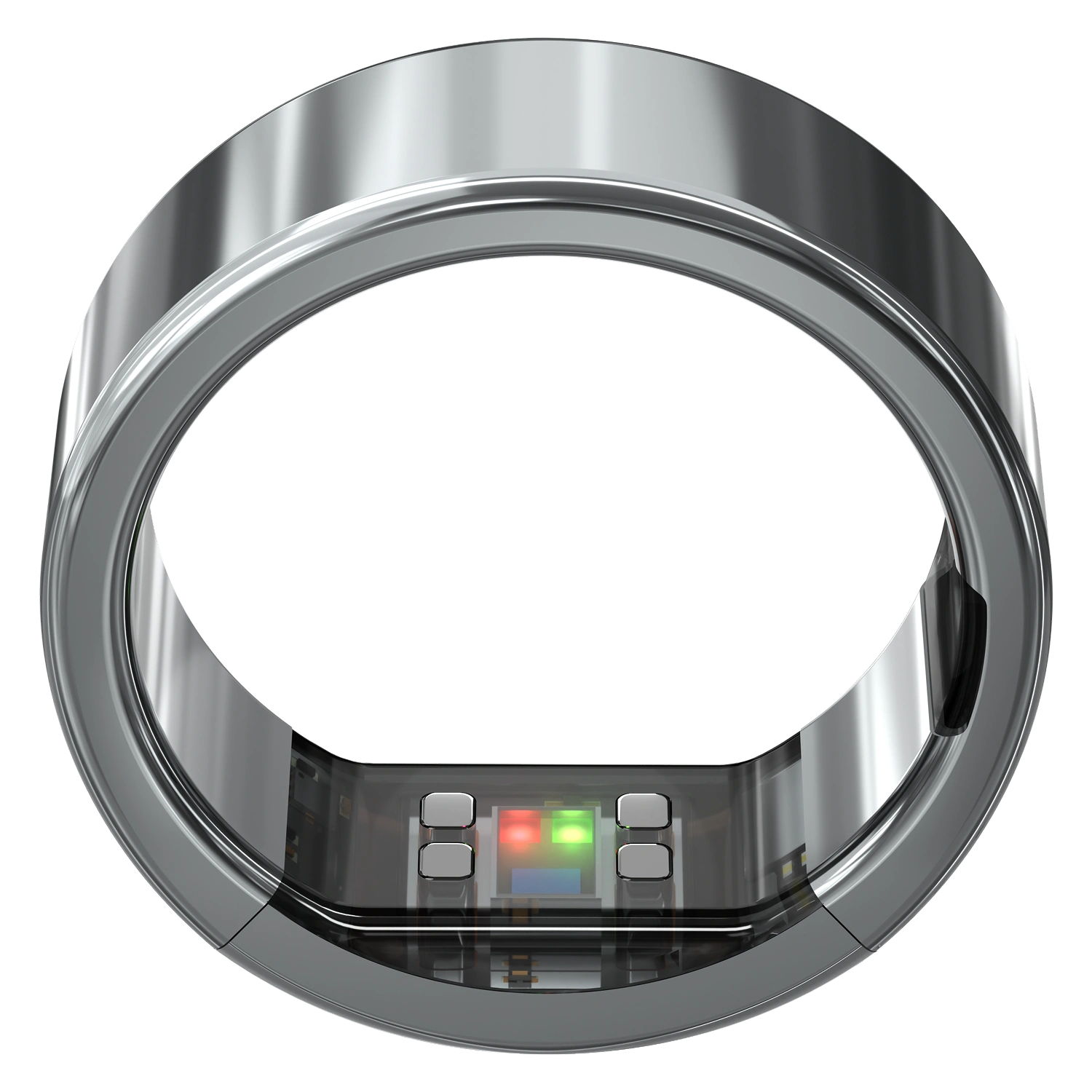
Ultrahuman Ring PRO offers strong hardware and a premium feel, but its longest battery life is not guaranteed under every setting. When measurements are more frequent or extra features are used more often, battery life becomes shorter. The price is high, the app can feel complicated, and many of its advanced metrics may go unused by everyday users. That is why its overall value is weaker in this comparison.

Pros
- Newer RingConn model
- No mandatory monthly subscription
- Core wellness tracking is fairly complete
- Tracks sleep, heart rate, SpO₂ trends, and stress
- Battery life can be good under lighter-use settings
Cons
- 11–14 day battery claims require limiting or turning off several power-hungry features
- Using blood pressure trends, sleep apnea tracking, or vibration alerts will reduce battery life
- Single blood pressure readings are not reliable enough to replace a traditional blood pressure monitor
- Blood pressure-related features should not be used for medical decisions
- Smart functions and phone controls are limited
- Long-term stability and user feedback for the newer model still need time
- Not the most convincing choice for first-time smart ring buyers
Review
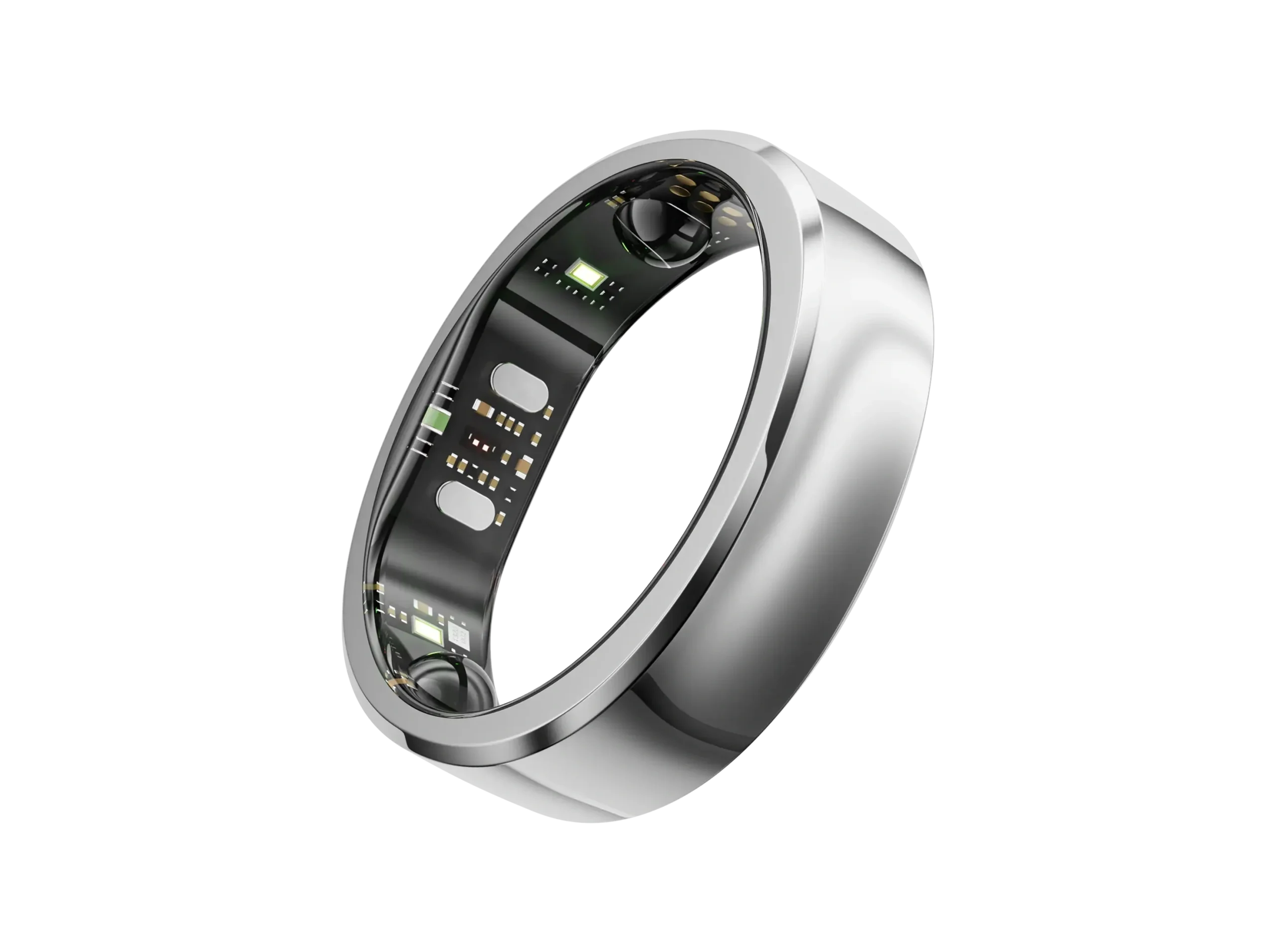
RingConn Gen 3 looks interesting on paper, but its 11–14 day battery life requires several features to be limited or switched off. When blood pressure trends, sleep apnea monitoring, or vibration alerts are enabled, the battery drains faster. In addition, a single blood pressure reading is not reliable and does not replace a proper blood pressure monitor. The smart features remain fairly limited, and as a new model, its long-term stability is still uncertain.

SofiRing S10
Best overall value for the U.S. market: everyday wellness tracking, sleep insights, gesture controls, and core features included without a monthly subscription.
Claim 35% Off Today
Buy NowFrequently Asked Questions About Smart Rings
What is the biggest advantage of a smart ring over a smartwatch?
For many people, the biggest advantage is comfort and lower distraction. A smart ring is smaller, screen-free, and often more natural for overnight use, especially if sleep tracking is your main goal.
Do smart rings require a monthly subscription?
Not always. Some smart rings include core wellness and sleep features without a monthly fee, while others require a paid membership for the full app experience. Always check the long-term cost before buying.
Can I wear a smart ring in the shower or while swimming?
Many models are water resistant and can handle handwashing, showers, or short swims. Check the product’s specific water-resistance rating before using it for extended water exposure.
Do smart rings work with iPhone and Android?
Most current models support both iOS and Android, but features can vary by app. It is worth checking Apple Health, Google Health Connect, and other integration support before ordering.
How long does the battery last?
Battery life depends on settings, tracking frequency, workouts, vibration alerts, and syncing habits. Manufacturer maximum claims may require lower-power settings, so normal-use battery life is more important.
Who is a smart ring best for?
A smart ring is best for users who want sleep, recovery, heart rate, stress, activity, and everyday wellness trends without wearing a large screen on the wrist.
What should I compare before choosing?
Compare price, subscription fees, battery life, comfort, app compatibility, sizing, water resistance, smart features, and whether key wellness insights are included without paywalls.
Disclaimer
This website is designed to help users make more informed online purchasing decisions and contains information about different products and services. Some information, including prices, offers, and availability, may be provided by partners and may change at any time without notice. Always check the official product website for the latest details before purchasing. This content is for general informational purposes only and should not be interpreted as medical advice. Smart rings are wellness devices and should not be used to diagnose, treat, cure, or prevent any disease.